Are you harnessing the full potential of your bench press training? Discover your true strength potential with our Bench Press One Rep Max Calculator. This guide will navigate you through the advantages of using a one rep max bench press calculator, provide a detailed methodology for accurate calculations, and offer strategies to enhance your bench press performance. By understanding and applying your one rep max, you can tailor your workouts for maximum efficiency and growth.
Key Takeaways
- Knowing your One Rep Max (1RM) is crucial for personalized strength training
- A bench press calculator estimates 1RM for safe and effective workout planning
- Regularly updating your 1RM is vital for tracking progress and adjusting training loads
- Periodization strategies in training maximize gains and prevent strength plateaus
- Proper form, progressive overload, and recovery are key to improving bench press max
Understanding Your One Rep Max Bench Press
Defining one’s One Rep Max (1RM) is a cornerstone of strength training, particularly for exercises like the bench press, deadlift, and other barbell movements common in powerlifting. Understanding this maximal lift capacity is crucial, as it directly informs the intensity and structure of an athlete’s training regimen. Discover your true strength potential with our science-backed Bench Press One Rep Max Calculator. The subsequent sections will delve into the significance of knowing your 1RM, its impact on training intensity, and how to accurately calculate it to tailor your exercise program for optimal performance.
Defining One Rep Max (1RM)
The One Rep Max (1RM) serves as a critical benchmark in strength training, representing the maximum weight an athlete can lift for one complete repetition without assistance. Discover your true strength potential with our science-backed Bench Press One Rep Max Calculator. This pinnacle of muscle exertion is not only a measure of raw strength but also a foundational element for designing a personalized training program. By employing a bench press max calculator, athletes can determine their 1RM, which then allows them to set precise percentages for their training loads, ensuring each session is aligned with their strength and hypertrophy goals.
Before attempting to establish a 1RM, it is essential for athletes to engage in proper warming up to prepare the muscles for peak performance and mitigate injury risk. The formula to calculate one’s 1RM can vary, but most methods involve lifting a submaximal weight for multiple repetitions to estimate the maximum potential. This approach provides a safer alternative to direct 1RM testing, which can be strenuous and hazardous if not performed correctly: Discover your true strength potential with our science-backed Bench Press One Rep Max Calculator.
- Begin with a thorough warm-up to prime the muscles.
- Perform a set with a weight you can lift for a known number of reps.
- Use the bench press max calculator to convert the lifted weight and reps into an estimated 1RM.
Importance of Knowing Your 1RM
Grasping the significance of your 1RM, particularly for the bench press, is pivotal for any strength athlete. Discover your true strength potential with our science-backed Bench Press One Rep Max Calculator. Utilizing a 1 rep bench calculator allows for the establishment of a training baseline, from which structured programs are developed to target specific strength and hypertrophy outcomes. This knowledge not only enhances the efficacy of each session but also minimizes the risk of injury by avoiding the pitfalls of overloading. The bench one rep max serves as a compass, guiding athletes through the complexities of periodization and intensity adjustments.
When athletes apply a max rep calculator bench tool, they gain the ability to precisely scale their workouts, ensuring progressive overload – a key principle in strength training. Discover your true strength potential with our science-backed Bench Press One Rep Max Calculator, ensuring progressive overload – a key principle in strength training. The 1 rpm calculator bench provides a quantifiable metric that can be tracked over time, offering a clear indication of progress and areas needing improvement. This data-driven approach, facilitated by a 1rm bench press calculator, empowers athletes to make informed decisions about their training, leading to optimized performance and goal attainment:
| Weight Lifted | Repetitions | Estimated 1RM |
|---|---|---|
| 225 lbs | 5 | 255 lbs |
| 185 lbs | 10 | 247 lbs |
| 135 lbs | 15 | 202 lbs |
How 1RM Influences Training Intensity
The bench press max calculator is an indispensable tool for athletes seeking to calibrate their training intensity with precision. By utilizing a bench press max rep calculator, individuals can determine the appropriate weight loads for various training zones, ensuring that each bench press session contributes effectively to their strength development. This tailored approach, informed by the 1rm calculator bench, prevents undertraining and overtraining, allowing athletes to train at intensities that stimulate muscle growth and strength gains without exceeding their recovery capabilities.
Moreover, the bench press rep calculator serves as a guide for periodization, a method used to structure training phases. Athletes can use the bench rep calculator to adjust their training intensity according to their current phase, whether they are building foundational strength, peaking for a competition, or deloading. This strategic modulation of intensity, anchored by the 1RM, ensures that athletes are working within optimal ranges to maximize adaptations and enhance performance over time.
Advantages of Utilizing a Bench Press Calculator
Utilizing a bench press calculator offers significant advantages for athletes aiming to optimize their training. It enhances training efficiency by aligning workouts with individual strength levels, ensuring that each session is neither too easy nor excessively challenging. This tool also allows for the precise tailoring of workouts to match an athlete’s unique capabilities, fostering a more personalized training experience. Furthermore, it provides a reliable method for tracking progress accurately, enabling athletes to monitor improvements and adjust their training plans accordingly. These aspects are critical for those dedicated to maximizing their strength training outcomes.
Enhancing Training Efficiency
Efficiency in training is paramount for athletes who aim to maximize their strength gains while minimizing time spent under suboptimal loads. The bench press calculator emerges as a vital tool, enabling lifters to swiftly determine their one rep max and adjust their training weights accordingly. This precision eliminates the trial-and-error approach, ensuring that each session is conducted at the right intensity to foster strength without overtaxing the body.
For instance, an athlete preparing for a powerlifting meet can use the bench press calculator to establish a training plan that incrementally increases intensity, aligning with peak performance goals. The calculator’s data-driven insights allow for fine-tuning of workout regimens, directly addressing the athlete’s need for a structured path to enhanced strength and competitive readiness:
| Training Week | Intensity (% of 1RM) | Weight Lifted |
|---|---|---|
| 1 | 70% | 210 lbs |
| 2 | 75% | 225 lbs |
| 3 | 80% | 240 lbs |
By leveraging the bench press calculator, athletes can systematically progress through their training cycles with confidence. The tool’s ability to provide immediate feedback on the appropriate training load for a given day ensures that each bench press session is optimized for both safety and efficacy, directly contributing to the athlete’s long-term success and satisfaction with their strength program.
Tailoring Workouts to Your Strength Level
Personalization is at the core of effective strength training, and the bench press calculator is instrumental in customizing workouts to match an athlete’s strength level. By providing a precise estimation of one’s maximal lifting capacity, the tool enables athletes to structure their sessions with weights that challenge them appropriately, fostering optimal muscle growth and strength development without risking overexertion.
The bench press calculator’s role extends beyond mere estimation; it serves as a strategic ally in an athlete’s journey towards peak performance. It allows for the adjustment of training variables in real-time, ensuring that each workout is in sync with the athlete’s current capabilities and long-term objectives. This level of customization ensures that athletes remain engaged and motivated, as they witness tangible progress in their strength training endeavors.
Tracking Progress Accurately
Accurate tracking of progress is a cornerstone of any successful strength training program. The bench press calculator provides athletes with a reliable method to measure improvements in strength over time. By consistently updating their 1RM through the calculator, lifters can see tangible evidence of their advancement, which is essential for motivation and for planning future training cycles.
For athletes, the ability to quantify progress with precision is invaluable. The bench press calculator facilitates this by converting performance data into actionable insights: how close they are to their strength goals, when to adjust training loads, or when to schedule deload weeks. The following list illustrates the journey of an athlete using the bench press calculator to track progress:
- Initial 1RM determination sets the baseline for training.
- Subsequent tests reflect strength gains and inform program adjustments.
- Periodic reassessment ensures training remains aligned with current capabilities.
With these insights, athletes and coaches can make data-driven decisions, ensuring that every bench press session is a step towards greater achievements. This strategic approach to training, supported by the bench press calculator, is what distinguishes disciplined athletes who experience continuous improvement from those who plateau.
Step-by-Step Guide to Calculating Your One Rep Max
Embarking on the journey to optimize training begins with a precise calculation of one’s One Rep Max (1RM) for the bench press. This section provides a systematic guide to preparing for the calculation, utilizing the calculator effectively, interpreting the results, and adjusting the training plan accordingly. Athletes will gain insights into the practical application of their 1RM data, ensuring their strength training is both efficient and tailored to their individual needs. The forthcoming content will elucidate these critical steps, empowering lifters to enhance their performance with confidence.
Preparing for the Calculation
Before embarking on the calculation of your One Rep Max (1RM) for the bench press, it is imperative to ensure your body is adequately prepared for the task. This preparation involves a comprehensive warm-up to stimulate blood flow and enhance muscle elasticity, reducing the risk of injury. Athletes should focus on dynamic stretches and light, progressive loading to acclimate the muscles to heavier weights, setting the stage for an accurate 1RM estimation.
Once the body is primed, selecting the correct weight for the estimation is crucial. Athletes should choose a weight they can confidently lift for multiple repetitions, typically between 3 to 6, which will serve as the basis for the 1RM calculation. This approach allows for a safer and more sustainable method to gauge maximal strength capacity:
- Select an appropriate weight for the estimation set.
- Perform the set with full concentration and proper form.
- Record the number of successful repetitions achieved.
Using the Calculator Effectively
Effective use of a bench press calculator requires precision and attention to detail. Athletes should input their most recent and accurate submaximal lift data, ensuring the calculator’s algorithm can provide a reliable 1RM estimate. This process eliminates the need for risky maximal attempts, offering a safer route to understanding one’s strength capacity and setting the stage for a tailored training program.
Once the data is entered into the bench press calculator, athletes receive an immediate estimation of their 1RM, which becomes the cornerstone for structuring their training intensity. This actionable insight allows for meticulous planning of workout regimens, ensuring each bench press session is calibrated to the athlete’s current strength level, thereby optimizing the path to hypertrophy and powerlifting success.
Interpreting the Results
Interpreting the results from a one rep max bench press calculator transcends mere number crunching; it involves understanding the implications of the estimated 1RM for an athlete’s training regimen. The calculated figure should be viewed as a dynamic benchmark, reflecting the athlete’s current strength level and serving as a guide for setting realistic and challenging training loads. This estimation enables lifters to structure their workouts with precision, ensuring progressive overload without the risk of injury.
Upon receiving the 1RM estimate, athletes are equipped to make informed decisions about their training intensity. For example, if the calculator estimates a 1RM of 300 pounds, the athlete can plan their hypertrophy, strength, or power phases using percentages of this max to dictate workout intensities. The following list outlines the steps an athlete might take after interpreting their 1RM results:
- Adjust training loads to align with the new 1RM estimate.
- Plan upcoming training cycles with periodized intensities.
- Monitor subsequent workouts for signs of progress or the need for further adjustment.
It is essential for athletes to revisit the one rep max bench press calculator periodically, as strength levels can change over time. Regular reassessment ensures that training continues to challenge the athlete appropriately, fostering ongoing strength development and peak performance readiness.
Adjusting Your Training Plan Accordingly
Upon establishing a new One Rep Max (1RM) for the bench press, athletes must recalibrate their training plan to reflect this updated benchmark. This recalibration involves adjusting the weight percentages used in various training phases to ensure they are challenging yet achievable, based on the individual’s current strength level. Such adjustments are critical for maintaining the effectiveness of the training program and preventing plateaus.
For the strength athlete, the integration of the 1RM into their training regimen is a continuous process. As the athlete’s strength increases, the One Rep Max Bench Press Calculator becomes an essential tool for updating their training parameters. This ensures that the athlete’s workouts remain aligned with their evolving capabilities, fostering sustained progress and peak performance in their strength training journey.
Techniques to Improve Your Bench Press Max
Enhancing one’s bench press max hinges on several key strategies: mastering proper form and technique, implementing progressive overload, strengthening supporting muscle groups, and prioritizing rest and recovery. Each of these components plays a vital role in the development of bench press proficiency. The subsequent sections will dissect these elements, offering practical insights into their application for athletes seeking to elevate their bench press performance and, by extension, their One Rep Max (1RM).
Incorporating Proper Form and Technique
Mastering proper form and technique is essential for increasing the bench press max, as it ensures the effective engagement of target muscle groups and minimizes the risk of injury. Athletes should focus on maintaining a stable base with their feet firmly planted, a controlled descent of the barbell to the chest, and a powerful lift-off while keeping the elbows tucked to protect the shoulders. This disciplined approach to form not only enhances the efficiency of each rep but also maximizes the transfer of strength gains to the One Rep Max (1RM).
Consistent application of correct bench press techniques contributes to long-term strength development and performance enhancement. Athletes are advised to seek feedback from StrengthLab360 Certified Coaches, who can provide expert analysis of lifting form through the app’s video feedback feature. This personalized critique allows for the refinement of technique, ensuring that each athlete’s training is aligned with best practices for achieving their bench press max goals.
Implementing Progressive Overload
Progressive overload is the gradual increase of stress placed upon the body during training, essential for enhancing muscular strength and size. To effectively implement this principle, athletes should incrementally increase the weight lifted, the volume of work, or the intensity of exercises over time. This methodical approach ensures continuous adaptation and improvement, directly contributing to a higher One Rep Max (1RM) on the bench press.
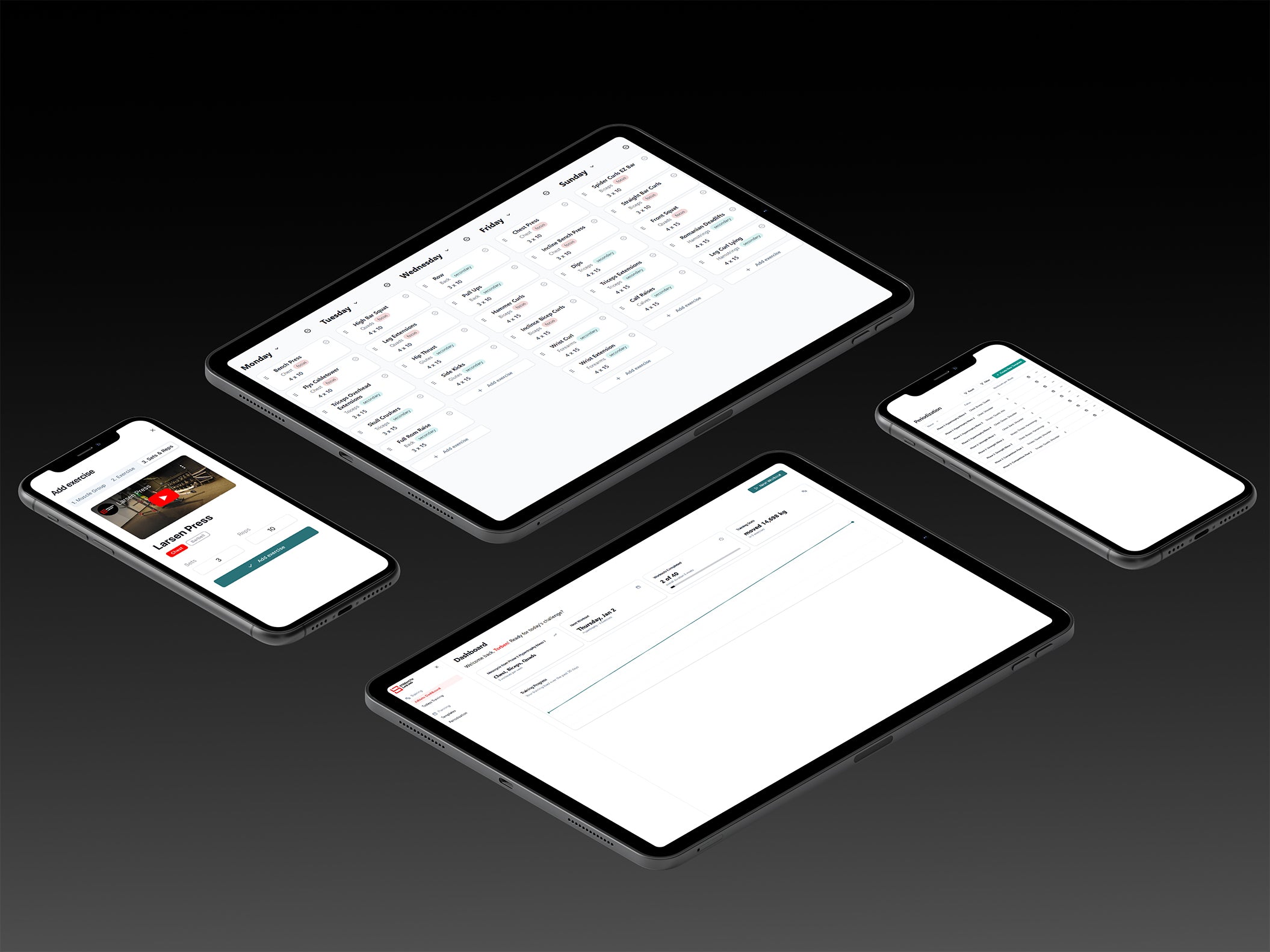
For those utilizing the StrengthLab360 platform, the real-time algorithmic adjustments provide a sophisticated means to apply progressive overload. The app’s proprietary algorithm calculates optimal training weights, sets, and reps based on user data, ensuring that each workout is precisely tailored to advance the athlete’s bench press max:
| Week | Previous 1RM | Weight Increase | New Training Weight |
|---|---|---|---|
| 1 | 300 lbs | 5 lbs | 305 lbs |
| 2 | 305 lbs | 5 lbs | 310 lbs |
| 3 | 310 lbs | 5 lbs | 315 lbs |
Focusing on Supporting Muscle Groups
Strengthening the supporting muscle groups is essential for a robust bench press max. Athletes should focus on exercises that target the triceps, deltoids, and upper back to build a solid foundation for the primary lift. This comprehensive approach to training ensures that all contributing muscles are sufficiently strong, reducing the likelihood of weak links that could hinder performance.
For those seeking to enhance their bench press prowess, incorporating accessory movements into their routine is key. Practical exercises such as overhead presses, rows, and tricep extensions complement the bench press by fortifying the stabilizing muscles, leading to improved form and increased power output. StrengthLab360’s platform offers periodized plans that integrate these exercises, optimizing the athlete’s overall strength and contributing to a higher One Rep Max (1RM).
- Integrate accessory exercises targeting triceps, deltoids, and upper back into the training regimen.
- Employ compound movements like overhead presses and rows to strengthen stabilizing muscles.
- Incorporate isolation exercises such as tricep extensions to focus on individual muscle groups.
Scheduling Rest and Recovery
Rest and recovery are integral to any strength training program, especially when aiming to improve one’s bench press max. These periods allow the body to repair and strengthen itself after the rigors of intense workouts. For athletes using the StrengthLab360 platform, the comprehensive analytics dashboard aids in scheduling optimal rest days by analyzing performance trends and recovery needs, ensuring that each training cycle includes adequate downtime for muscle recuperation.
Practical application of rest and recovery strategies can significantly enhance bench press performance. For example, after a heavy bench press session, an athlete should allow 48 to 72 hours before targeting the same muscle groups again. This approach prevents overtraining and ensures muscles are fully restored before the next session. The following table illustrates a sample week in an athlete’s training regimen, highlighting the balance between workout days and rest days:
| Day | Activity | Focus |
|---|---|---|
| Monday | Bench Press Training | Strength |
| Tuesday | Rest | Recovery |
| Wednesday | Accessory Work | Supporting Muscles |
| Thursday | Rest | Recovery |
| Friday | Bench Press Training | Power |
| Saturday | Rest | Recovery |
| Sunday | Active Recovery | Mobility |
Common Mistakes to Avoid in One Rep Max Calculations
When calculating one’s One Rep Max (1RM) for the bench press, certain pitfalls can compromise the accuracy and safety of the results. Inadequate warm-up, ignoring safety measures, overestimating capabilities, and neglecting consistency in testing conditions are common errors that can skew outcomes and potentially lead to injury. This section will address these critical aspects, providing athletes with the knowledge to avoid such mistakes and ensure their 1RM calculations are both precise and beneficial for optimizing training.
Inadequate Warm-Up
An insufficient warm-up before attempting a One Rep Max (1RM) calculation can lead to inaccurate results and increased risk of injury. The body requires a gradual increase in blood flow and muscle temperature to perform at its peak, which is why a comprehensive warm-up is essential for bench press performance. Athletes who neglect this preparatory step may find their estimated 1RM does not truly reflect their capabilities, as muscles are not primed for maximal exertion.
Moreover, a proper warm-up enhances neuromuscular activation, which is critical for executing a lift with the precision and power necessary for an accurate 1RM assessment. StrengthLab360’s training platform emphasizes the importance of warm-up routines, providing users with guidelines to ensure their muscles are ready for the demands of a heavy lift. By following these protocols, athletes can approach their 1RM calculations with confidence, knowing they have prepared their body to perform optimally:
- Start with dynamic stretches to increase joint mobility.
- Progress to light aerobic activity to raise overall body temperature.
- Perform submaximal lifts gradually increasing in weight to acclimate the muscles to heavier loads.
Ignoring Safety Measures
Disregarding safety measures during One Rep Max (1RM) calculations can have severe consequences, including injury and setbacks in training progress. Athletes must ensure they have a spotter present when attempting heavy lifts and use safety racks to catch the barbell if they cannot complete a rep. This precaution not only safeguards the lifter but also instills the confidence needed to attempt near-maximal weights, which is essential for an accurate 1RM estimation.
Moreover, athletes should always listen to their bodies and avoid pushing beyond their limits, especially when using a bench press calculator to estimate 1RM. Recognizing the signs of fatigue and strain can prevent overexertion, allowing for consistent and safe progression in bench press strength. By prioritizing safety, lifters maintain the integrity of their training regimen and ensure longevity in their pursuit of strength enhancement.
Overestimating Capabilities
Overestimating one’s capabilities during the One Rep Max (1RM) bench press calculation can lead to skewed results and potential injury. Athletes may feel tempted to lift heavier weights than they can safely manage, influenced by the desire for rapid progress. This miscalculation not only jeopardizes their well-being but also distorts the training program’s effectiveness, as the subsequent workouts will be based on an inflated and inaccurate strength assessment.
It is crucial for athletes to approach the 1RM estimation with a realistic perspective, acknowledging their current strength levels without succumbing to the pressure of lifting beyond their means. The StrengthLab360 platform encourages users to input genuine performance data into the bench press calculator, ensuring that the training intensity prescribed is both challenging and attainable, fostering sustainable progress and peak performance.
Neglecting Consistency in Testing Conditions
Consistency in testing conditions is paramount when calculating a One Rep Max (1RM) for the bench press, as varying factors can significantly alter the outcome. Athletes must ensure that each 1RM estimation is performed under similar circumstances, including time of day, nutrition, and rest, to guarantee reliable data. Inconsistent conditions can lead to erratic estimations, complicating the process of tracking progress and adjusting training loads effectively.
For athletes seeking to optimize their training, maintaining uniformity in the environment, equipment used, and mental preparedness during 1RM calculations is essential. This attention to detail ensures that the bench press calculator reflects true strength levels, allowing for precise adjustments in training intensity. When these variables are controlled, athletes can trust the accuracy of their 1RM results, leading to more effective and targeted strength development.
Applying Your One Rep Max to Optimize Training
Optimizing training begins with setting realistic strength goals and designing a program that leverages your One Rep Max (1RM). This guide will navigate through the process of monitoring and adjusting workouts over time, ensuring that your regimen remains aligned with your evolving strength. It will also introduce periodization strategies, a systematic approach to varying training intensity and volume, to maximize gains and prevent plateaus. Each topic is crafted to provide athletes with actionable insights, enhancing the effectiveness of their bench press training.
Setting Realistic Strength Goals
Establishing realistic strength goals is a critical step for athletes who are serious about optimizing their training using a One Rep Max (1RM) Bench Press Calculator. These goals should be ambitious yet attainable, grounded in the athlete’s current performance metrics and informed by the calculated 1RM. By setting benchmarks that reflect an individual’s true capabilities, athletes can create a focused roadmap for progression, ensuring that each training session builds towards enhancing their bench press strength.
For the strength athlete, the journey towards a new personal best in the bench press begins with a clear understanding of their starting point. Utilizing the 1RM Bench Press Calculator, one can establish a baseline that is both challenging and within reach, fostering a sense of achievement as incremental gains are made. This strategic approach to goal setting not only motivates but also aligns with the physiological realities of strength development, paving the way for sustained improvement and peak performance.
Designing a Program Based on Your 1RM
Designing a program based on your One Rep Max (1RM) is a strategic approach that tailors your training to your unique strength capabilities. By using your 1RM as a benchmark, you can structure your workouts with precision, ensuring that each session is calibrated to stimulate muscle growth and strength without overtaxing your body. This personalized training plan, informed by accurate 1RM data, is essential for athletes who seek to optimize their performance and achieve their fitness goals efficiently.
With the One Rep Max Bench Press Calculator, athletes can create a periodized training schedule that aligns with their strength levels and adapts to their progress over time. This dynamic programming allows for the systematic adjustment of training variables, such as intensity and volume, to maintain a trajectory of continuous improvement. The calculator’s insights enable athletes to push their limits strategically, fostering peak performance and reducing the likelihood of hitting a plateau in their strength journey.
Monitoring and Adjusting Workouts Over Time
Monitoring workouts over time is essential for athletes to ensure their training remains effective and aligned with their strength goals. The StrengthLab360 platform facilitates this process by providing a comprehensive analytics dashboard that tracks performance trends, allowing for real-time adjustments. This data-driven approach enables athletes to make informed decisions about when to increase intensity or when to incorporate recovery, ensuring consistent progress towards a higher One Rep Max (1RM).
Adjusting workouts based on performance feedback is a critical aspect of optimizing training. As athletes progress, their One Rep Max (1RM) will naturally evolve, necessitating recalibration of their training regimen. The StrengthLab360 app’s real-time algorithmic adjustments offer a seamless method for updating training variables, ensuring each bench press session is tailored to the athlete’s current strength level, thus maximizing the efficacy of their strength training journey.
Utilizing Periodization Strategies
Periodization strategies are essential for athletes looking to maximize their bench press performance through structured training phases. By systematically varying the intensity and volume of workouts based on their One Rep Max (1RM), athletes can stimulate continued muscle growth and strength gains while minimizing the risk of overtraining. This approach ensures that training remains challenging and effective, aligning with the body’s natural adaptation processes.
Implementing periodization into a strength training program allows for targeted improvements and peak performance during competition seasons. Athletes can leverage their 1RM to create mesocycles that progressively build strength, followed by tapering periods that prepare the body for maximal exertion. This strategic modulation of training loads, informed by the One Rep Max Bench Press Calculator, optimizes the athlete’s readiness and contributes to sustained progress in their bench press achievements.
Frequently Asked Questions
What is a one rep max bench press?
A one rep max bench press is the maximum weight an individual can lift for one complete repetition, serving as a benchmark for upper body strength.
How does a bench press calculator benefit my training?
A bench press calculator optimizes your training by providing precise weight and rep targets to maximize strength gains and hypertrophy.
Can you guide me through calculating my one-rep max?
To calculate your one-rep max, use the StrengthLab360 App, which employs a precise algorithm to estimate your maximum lift based on your recent training data and performance trends.
What techniques can enhance my bench press max?
Improving your bench press max requires progressive overload, proper form, and incorporating accessory exercises like tricep pushdowns and shoulder presses.
What are common errors in one rep max calculations?
Common errors in one rep max (1RM) calculations include overestimating capabilities, incorrect form, insufficient warm-up, and not accounting for daily performance variability.
Conclusion
Understanding and utilizing your One Rep Max (1RM) is fundamental to tailoring your strength training for peak performance in bench pressing. The One Rep Max Bench Press Calculator is an invaluable tool that enables precise training intensity adjustments, fostering progressive overload and continuous strength gains. By avoiding common calculation errors and incorporating periodization strategies, athletes can ensure their workouts remain effective and aligned with their evolving capabilities. Ultimately, leveraging a 1RM-focused training program is key to achieving personal bests and optimizing overall strength development.